
Ah, the sweet nectar of sugarcane! It has given rise to two delightful spirits that have captivated the taste buds of enthusiasts worldwide – rum and cachaça.
But have you ever wondered what sets these two apart? Join me on an expedition to explore the differences between rum distilled from molasses and cachaça distilled from sugarcane juice, and how their unique characteristics have led to distinct category names and spirited cocktails.

First things first – what’s in a name? Rum, the beloved spirit we know and love, is typically distilled from molasses, a by-product of sugar production. On the other hand, cachaça, the spirit with a Brazilian soul, is distilled directly from fresh sugarcane juice. It’s all in the ingredients!
Now, let’s talk flavours. Rum, with its rich and complex character, boasts a range of tastes, from smooth and caramel notes to spiced and oak-infused delights. It’s like a treasure trove of flavours, with each sip taking you on a journey through the Caribbean and beyond.
On the flip side, cachaça flaunts a fresh and vibrant profile, a reflection of its direct connection to sugarcane. It’s like sipping on the essence of Brazil, with grassy and herbal undertones transporting you straight to the lush green fields of the country.
But enough about their differences; let’s talk cocktails! When it comes to rum, you might think of classic favourites like the Daiquiri, the Mojito, or the Piña Colada – tropical delights that whisk you away to paradise with every sip. But cachaça has a few tricks up its sleeve too!
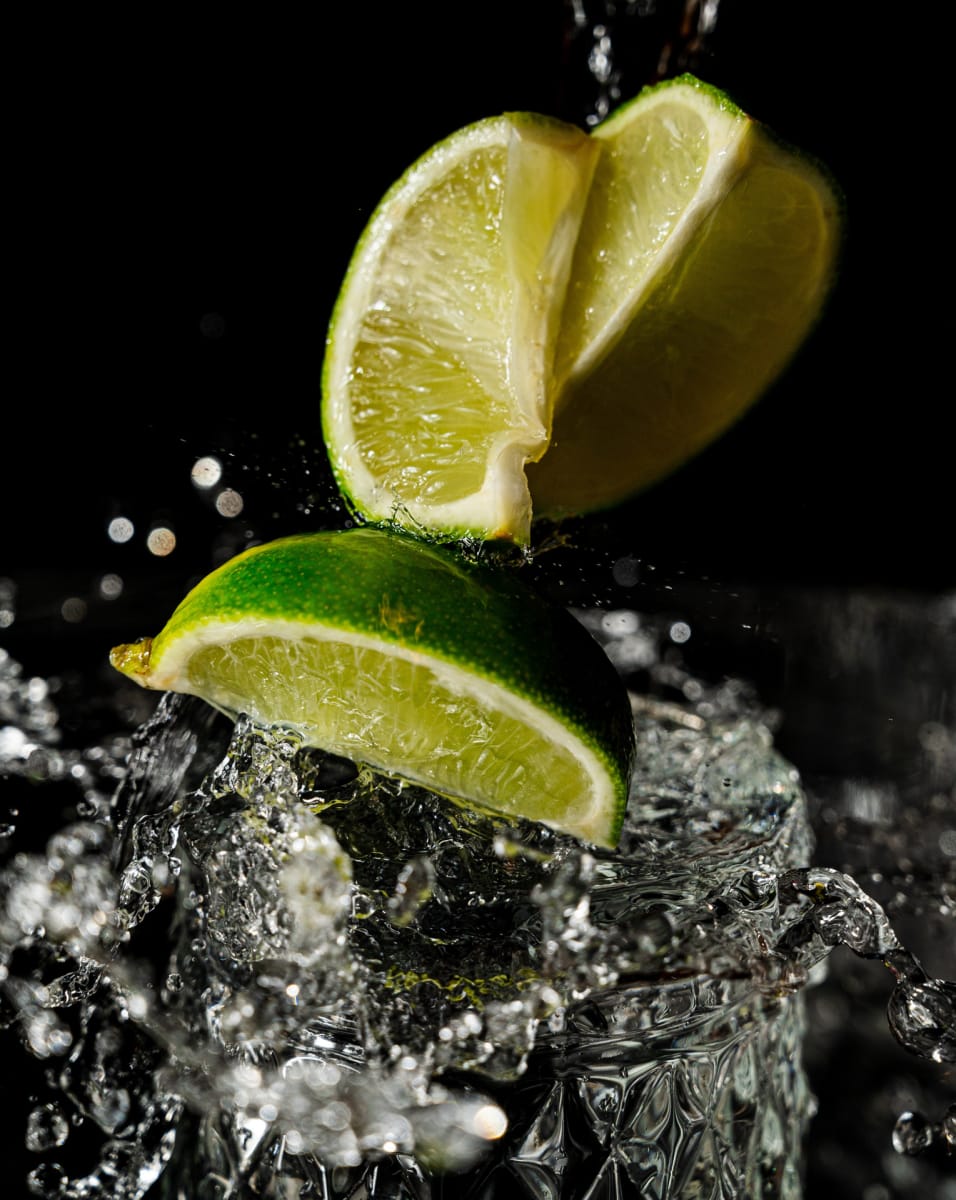
The famous Caipirinha is the star cocktail of cachaça, a refreshing blend of muddled limes, sugar, and plenty of crushed ice. It’s a zesty and vibrant concoction that embodies the Brazilian spirit and makes you feel like dancing the samba on the beach!


I’ve mentioned Brazil many times and that is predominately where cachaça comes from. It’s the national spirit, beloved by locals and embraced by visitors alike: when you’re there, you can’t help but fall in love with its lively energy. From beachside bars to bustling city squares, the spirit is a central part of the country’s social scene and joyous celebrations.
So, there you go – rum and cachaça may share their roots in sugarcane, but they’ve evolved into two distinctive spirits with their own unique identities. Rum, wherever it is made, offers a tapestry of flavours, while cachaça, the spirited Brazilian soul, captures the essence of a nation. Each dances to the beat of its own delightful tune!
If there’s one spirit that knows how to stand out from the crowd, it’s rum! From the Caribbean to the corners of the world, rum has made a name for itself as the lively and charismatic cousin of the spirits family.
But what makes rum so different from its counterparts, like whisky, vodka, and gin? Well, grab your cocktail shaker and let’s embark on a light-hearted exploration of why rum is in a league of its own!
First things first – let’s talk flavours! Unlike the bold and smoky character of Scotch, rum comes in a wide spectrum of tastes. It’s like a party for your taste buds, with options ranging from light and tropical white rums to deep and robust dark rums.


You can go on a flavour adventure, exploring everything from sweet caramel and vanilla notes to the spiced and fruity delights. Rum is all about embracing its diverse personality, making it the go-to spirit for those seeking an array of taste experiences in every glass.
Vodka and gin are both cool and classic spirits that have their own distinctive charm. While vodka prides itself on its neutrality, providing a blank canvas for cocktails, and gin boasts an aromatic and herbaceous profile, rum takes a different path, bringing its vibrant personality and rich history to every sip. Each bottle of rum has a story to tell, steeped in traditions and tall tales of the high seas, making it a spirit that’s as intriguing as it is delicious.
Let’s not forget the trends that have brought rum into the limelight. More and more people are now flocking to the rum category, and it’s no surprise why. One of the key drivers is the craft spirits movement, which has brought a wave of artisanal and small-batch rums to the forefront. Craft distillers are pushing the boundaries, experimenting with unique ageing techniques, and infusing rums with exciting flavours, capturing the hearts of adventurous drinkers.
Another trend making waves is the rise of the cocktail culture. People are rediscovering the joy of mixing and shaking their own concoctions, and rum is the perfect companion for this spirited exploration. From classic tropical tipples like the Mojito and Piña Colada to modern masterpieces like the Rum Old Fashioned and ‘rumtinis’, the possibilities are endless when it comes to rum cocktails.
Finally, let’s not forget the power of storytelling! Rum has a rich history intertwined with pirates, trade routes, and hidden treasures. This captivating lore adds an extra layer of allure to the spirit, sparking curiosity and inspiring conversations among enthusiasts and newcomers alike.
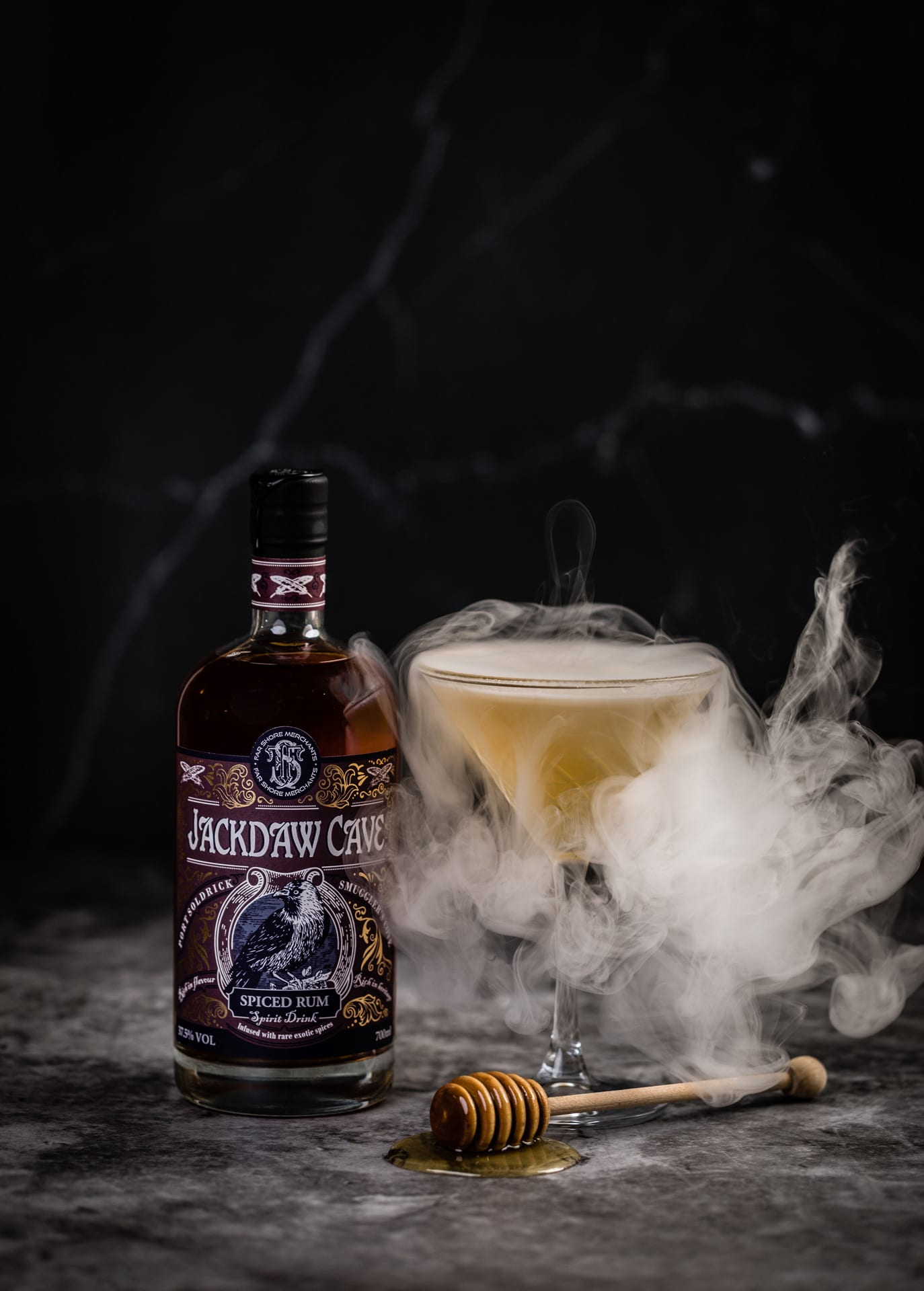


In conclusion, rum is the spirited rebel that sets itself apart from its spirit companions. With its vibrant flavours, rich history, and playful personality, it’s no wonder that increasing numbers of people are raising their glasses to it. The craft spirits movement, the cocktail craze, and the allure of storytelling are just a few of the trends driving the category’s growth.
So, the next time you find yourself reaching for a drink, why not join the rum revolution and embark on a flavourful and fun adventure? Cheers to rum: the spirited rebel that keeps us coming back for more!
Based on recent industry reports, the rum category in the UK is the third largest rum market in the world. Premium and specifically spiced rum have enjoyed a phenomenal increase in value and sales, mainly driven by the current cocktail trend.
Gone are the days when a simple ‘Rum and Coke’ ruled the world. Today it’s all about premium and elaborate rum-based cocktails. Given these current trends in consumer spending, it is therefore no surprise to note that the premium rum category is where the growth is going to be.
Industry stats show premium-plus rums grew by 22% in volume and 17% in value in the UK between 2014 and 2019. The IWSR projects that growth will flatten out between 2021 and 2026 but still forecasts 4% growth in both volume and value over that timeframe.

This remarkable surge in the rum category in the UK has transformed it from a traditional ‘mixer’ spirit into a trendsetting and dynamic segment of the spirits industry.
With an expanding array of rum varieties, including white rum, spiced rum, and dark rum, increasing numbers of consumers are seeking unique and diverse drinking experiences. This shift can be attributed to various demographic profiles, each broadly with its own preferences and tastes.
White Rum – Embraced by the Millennial Mixologists
White rum, known for its purity and smoothness, has found a significant following among millennials, especially the adventurous mixologists of the new generation.
Millennials are known for their interest in craft spirits and creative mixology, and white rum fits perfectly into their preferences. They are attracted to its versatility as an excellent base for a wide range of cocktails. The simplicity of this rum appeals to their love for minimalism and clean flavours, making it a favourite in refreshing cocktails like Mojitos, Daiquiris, and Piña Coladas.
White rum enthusiasts value its lightness and ability to blend seamlessly with various ingredients, enabling them to experiment and craft innovative libations that reflect their individuality.
Spiced Rum: Captivating the Adventurous and Social Explorers
Spiced rum, with its warm and aromatic infusion of spices, has captured the attention of adventurous and social consumers. This segment consists of individuals who seek unique flavour experiences and enjoy exploring the world of spirits.
The blend of spices in spiced rum appeals to their desire for complexity and depth in their drinks. They are likely to appreciate the craftsmanship and creativity behind each bottle of spiced rum.
This consumer profile values the storytelling aspect of spirits and the opportunity to engage in conversations about the distinct spices used in the production process.
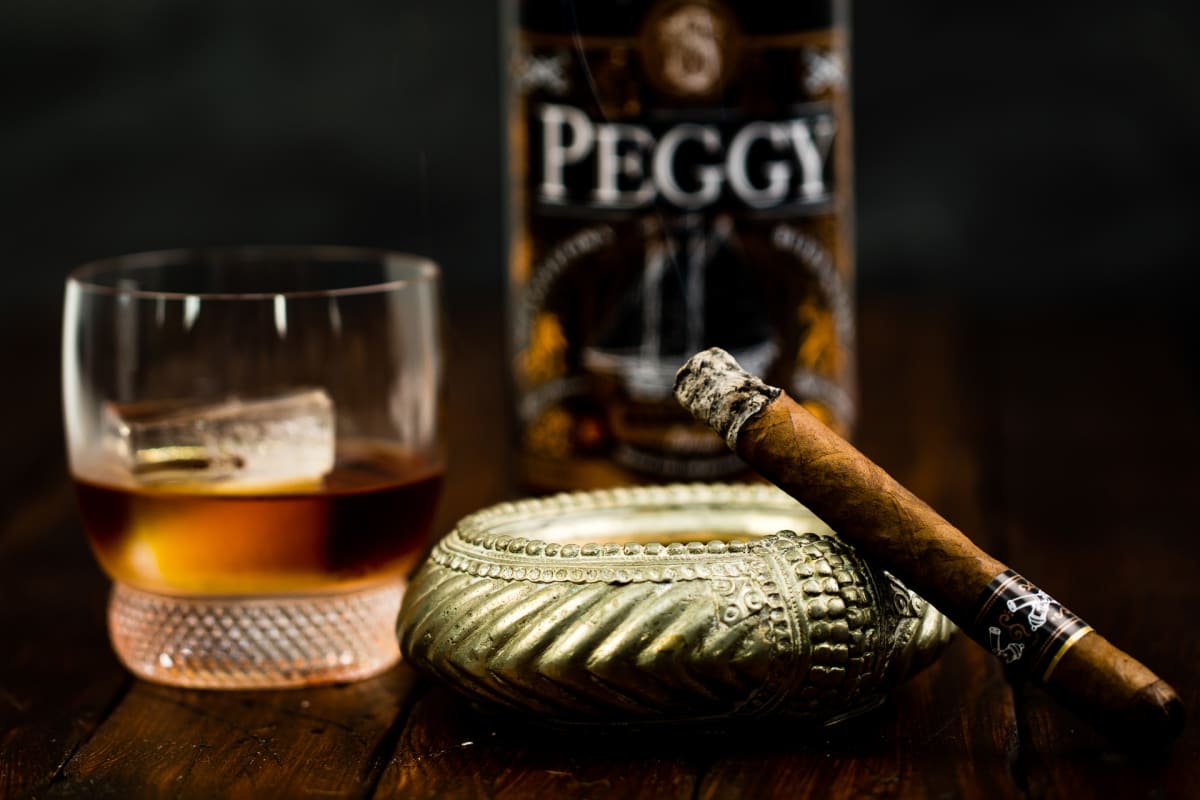
Spiced rum enthusiasts find delight in sipping this spirit neat or on the rocks, savouring the intricate flavours and allowing the spices to unfold in their palates.


Flavoured Rum: Captivating the Curious and Playful
Flavoured rum, characterized by its infusion of a single flavour such as fruits, spices, or other natural flavours, is capturing the interest of curious and playful consumers. This segment of the market seeks a spirit that introduces exciting and unconventional taste experiences.
Flavoured rums offer a delightful array of choices, from tropical with coconut, kiwi, mango and pineapple to more adventurous flavours such as caramel, coffee and chocolate. Consumers within this profile enjoy exploring this unique infusion of a singular element, experimenting with distinctive cocktails, and embracing the fun and light-hearted spirit of flavoured rum.
Dark Rum: – Embraced by the Connoisseurs and Mature Sippers
Dark rum, typically aged in barrels for extended periods, exudes richness, complexity, and depth, which attracts connoisseurs and discerning sippers.
This segment includes experienced rum enthusiasts and consumers seeking a more sophisticated and refined drinking experience.
The consumer profile for dark rum consists of individuals who enjoy exploring the nuances of spirits, searching for the perfect balance of sweetness with notes of oak. They prefer to consume dark rum neat or with just a hint of ice, allowing the spirit’s character to shine through without dilution – no different to sipping a fine single malt whisky.
In conclusion, the UK rum market has witnessed a significant transformation, driven by various demographic consumer profiles seeking unique experiences in the world of rum.
From the mixologists embracing the versatility of white rum to the adventurous explorers enchanted by the spices of spiced rum, from the creative blending of flavoured rum to the connoisseur’s appreciation of the complexity of dark rum, each segment brings its own flavour to the growing popularity of rum in the UK.
This diversified consumer base is fuelling the sales trend, and as the rum industry continues to innovate and experiment, we can expect even more exciting developments and expanding consumer interest in the years to come.